 Add Row
  Add
Add 

January 04.2025
2 Minutes Read
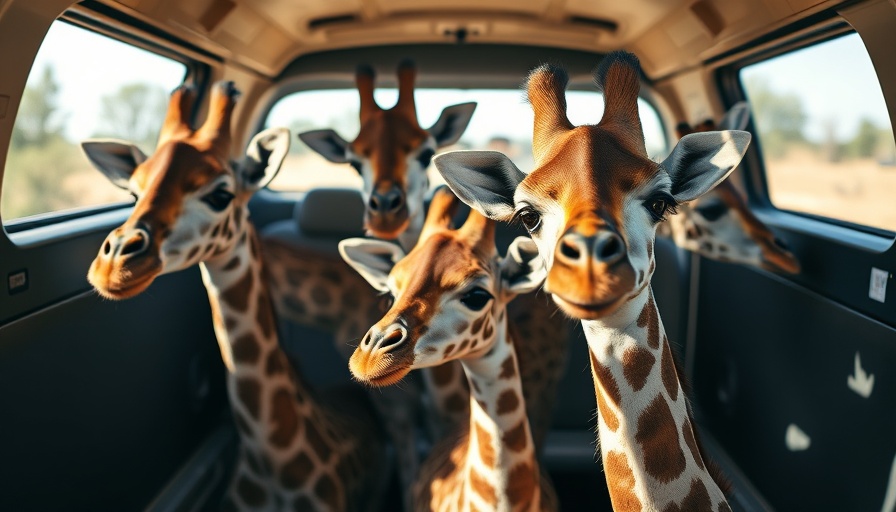
Giraffes Return to Angola: A Major Conservation Triumph at Iona Park
9 Views
0 Comments
Related Posts All Posts

Empowering Local Communities: The Future of Conservation in Cameroon’s Rainforest
Update Community Empowerment: A Catalyst for ConservationIn Cameroon’s Deng Deng–Dja rainforest corridor, a significant shift is underway—a movement led by local communities to take charge of forest management and wildlife protection. This initiative is not only a direct response to increasing habitat fragmentation and looming threats to endangered species but also a proactive step towards sustainable livelihoods. The Forestry Law of 2024 has provided a legal framework for communities to manage their resources sustainably, paving the way for empowered local stewardship of nature.Building Local Capacity for Lasting ImpactThe establishment of community forests is advancing collaborative efforts among local communities, conservation groups like the African Conservation Foundation (ACF), and government authorities. This partnership is designed to enhance the resilience of both the environment and the local economy. By exploring eco-tourism and developing sustainable economic opportunities, communities aim to create a model of conservation that aligns wildlife preservation with community prosperity. Such synergy could replicate successes noted in past community-led restoration efforts across Cameroon, highlighting the critical role of local engagement in conservation strategies.Inclusion: A Pathway to Comprehensive ManagementThe active participation of men, women, and youth is vital for the success of these community forest projects. Efforts to ensure that these diverse voices are included in decision-making processes reflect an understanding that stronger community ties lead to more effective forest management. Past systems that marginalized women have shown that sustainability thrives where diverse perspectives are considered, aligning with findings from ongoing initiatives in the region that promote equitable involvement in land resources management.Sustainability as a Framework for the FutureLooking forward, these local conservation initiatives not only promise to protect forest ecosystems but also enrich the lives of those who depend on them. The culmination of these efforts is expected to create a balanced environment where both local culture and biodiversity are preserved. Critics argue, however, that without continuous support and adequate financing, the ambitious goals set by community members may falter. Engaging local stakeholders early and often is essential for creating a sustainable model that benefits both humans and wildlife.Conclusion: Join the Journey of Sustainable ChangeThe journey to empower local communities in Cameroon’s rainforest corridor represents a beacon of hope not just for biodiversity but for local economies and cultures. As stakeholders continue to champion sustainable practices, we invite you to support and engage with conservation initiatives. Explore opportunities to contribute or learn about how you can make a difference in supporting community-led conservation efforts.

How Jane Goodall's Conservation Legacy Inspires Global Action Today
Update The Enduring Legacy of Jane Goodall's Conservation Movement On October 1, 2025, the world mourned the peaceful passing of Dr. Jane Goodall at the age of 91 in California. Known globally as a pioneering primatologist and passionate advocate for conservation, her life’s work fundamentally reshaped our understanding of chimpanzees and the importance of environmental stewardship. Goodall's groundbreaking research at Gombe Stream National Park revealed that chimpanzees possess complex emotional lives, use tools, and form intricate social bonds, altering the perception of the relationship between humans and animals. A Global Reach Through the Jane Goodall Institute In 1977, Jane founded the Jane Goodall Institute (JGI) to safeguard chimpanzees and their habitats while fostering global conservation initiatives. Today, JGI operates across 25 countries, making significant strides against habitat loss, poaching, and human-wildlife conflict. The Institutes’ "Roots & Shoots" program, which began with just a handful of students in Tanzania, now empowers young people globally to take proactive steps towards environmental restoration and animal welfare, reaching more than 75 countries. Through these efforts, Goodall instilled hope and action in the next generation of conservation leaders. Philosophy of Compassionate Conservation Goodall's approach to conservation transcends mere wildlife protection. Her philosophy emphasizes compassion for individual animals while pursuing holistic solutions for ecosystems. By promoting non-violent coexistence strategies, such as those employed in the Tacare project, she sought to empower communities to protect their local wildlife without resorting to culling. This principle of coexistence has become a cornerstone of modern wildlife conservation efforts and exemplifies Goodall’s enduring legacy. The Power of Individual Action Goodall famously stated, "Every individual matters. Every individual has a role to play. Every individual makes a difference." This mantra inspires environmentalists around the world, urging citizens to recognize their potential to impact the future. Her life’s mission reminds us that collective action, fueled by the commitment of individuals, drives the movement for change and sustainability. Call to Action: Carrying the Torch Forward As we reflect on Jane Goodall's extraordinary contributions, each of us is called to evaluate our environmental footprint. Engaging with local conservation efforts, supporting wildlife initiatives, or educating others about sustainable practices are just a few ways to honor her legacy. Let’s unite to continue her mission, ensuring a healthy planet for future generations.

Discover the African Wild Dog's Varied Diet Through DNA Analysis
Update Unveiling the African Wild Dog's Dietary SecretsThe African wild dog, known scientifically as Lycaon pictus, is more than just a vibrant predator found in South Africa’s Kruger National Park; it embodies the delicate balance of nature and ecological adaptability. Recent research conducted by the University of Pretoria has utilized innovative DNA metabarcoding technology to reveal a startlingly diverse diet for these elusive hunters, which has significant implications for wildlife conservation.Revolutionizing Dietary Studies with DNA MetabarcodingTraditionally, studying the diet of wild animals involved labor-intensive methods such as examining undigested remains or direct observation of hunting behaviors. However, DNA metabarcoding introduces a revolutionary concept by analyzing the genetic material present in wild dog scat. This technique allows researchers to identify prey species with unprecedented accuracy without disturbing the animals or their habitat.Facets of Wild Dog Feeding HabitsThe research team collected faecal samples from various ecosystems within Kruger National Park, uncovering a menu that included not just the expected impala but also less common prey like Cape hares and francolin birds. This suggests that wild dogs are opportunistic feeders, capable of adapting their diet based on environmental factors and availability of prey.The Implications for Conservation EffortsUnderstanding the complex dietary needs of the African wild dog is crucial as conservation strategies evolve. With only around 600 individuals left in South Africa, highlighting their flexible feeding habits could inform management practices aimed at preserving diverse ecosystems. As human encroachment transforms their habitats, these insights allow conservationists to tailor interventions that support both prey populations and wild dog survival.As we deepen our understanding of the African wild dog’s ecology, it’s vital for stakeholders—from environmentalists to innovative startups focused on sustainable solutions—to consider how these findings can inform broader conservation strategies. Engaging with the science of wildlife biology can lead to more effective and sustainable practices in our intersection with biodiversity.

Write A Comment