

East Africa is entering a decisive moment in its history. Political transitions, economic pressure, security realignments, and rapid technological change are converging at once. The decisions made today by governments, institutions, and citizens will shape the region’s stability, prosperity, and global relevance for decades to come.
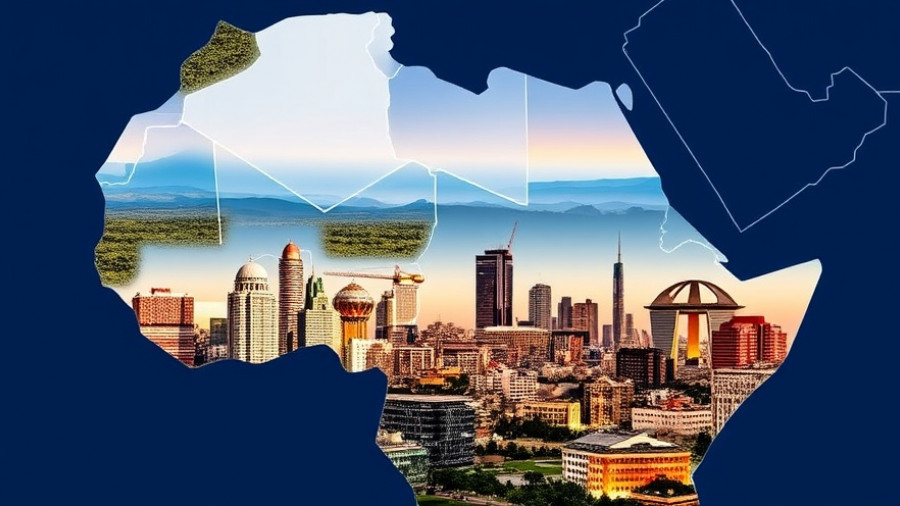
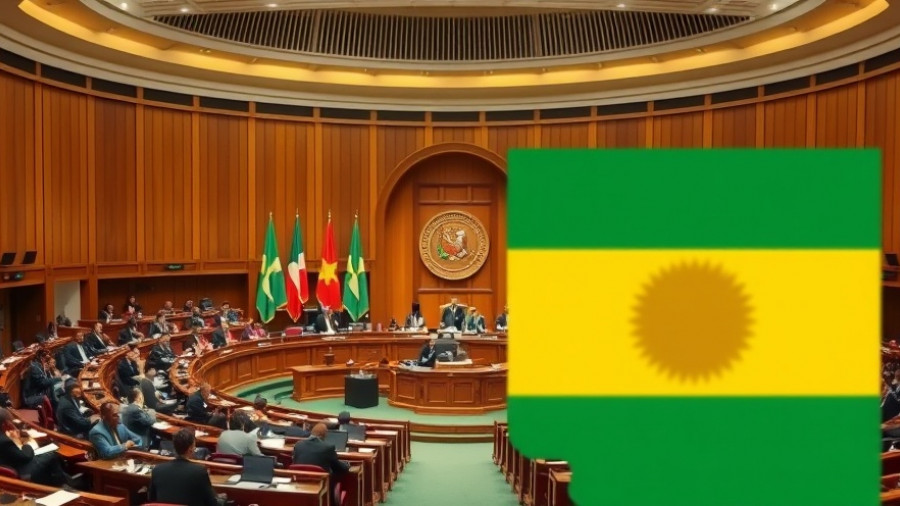
Political Transitions and Governance Shifts
Across East Africa, leadership transitions, electoral reforms, and governance debates are redefining political landscapes. Citizens are demanding stronger institutions, accountability, and inclusive decision-making, while governments face growing pressure to balance stability with reform.
Regional diplomacy and cross-border political coordination are also becoming more critical as national decisions increasingly affect neighboring states.
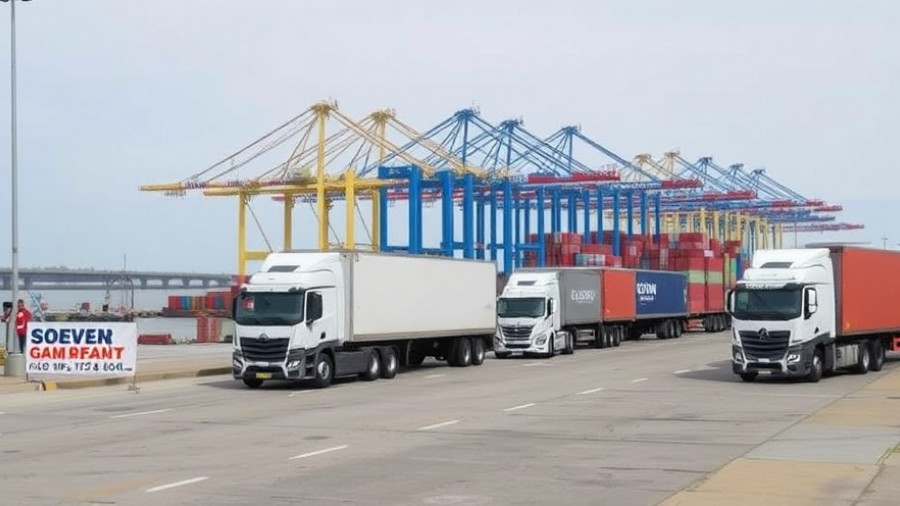
Economic Pressures and Regional Trade Dynamics
The East African economy is experiencing both opportunity and strain. Rising costs of living, currency fluctuations, and public debt are testing national economies. At the same time, regional trade, infrastructure projects, and private-sector growth continue to offer long-term potential.
The success of the East African Community (EAC) depends heavily on how well member states harmonize trade policies and remove non-tariff barriers.
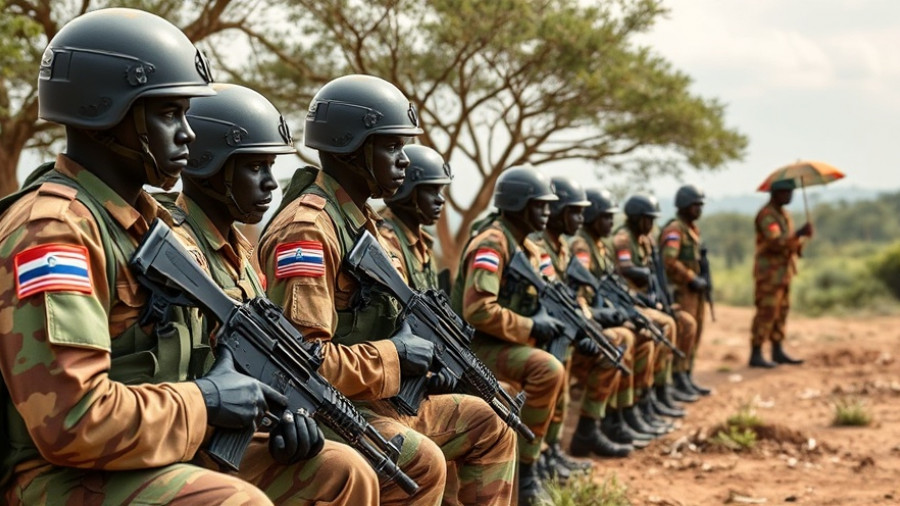
Security, Stability, and Regional Cooperation
Security remains a defining issue. From border tensions to internal conflicts and transnational threats, East Africa’s stability is closely tied to regional intelligence sharing and coordinated response mechanisms.
Peacekeeping, conflict prevention, and diplomatic engagement are no longer optional they are foundational to economic and social progress.
Climate Change, Agriculture, and Food Security
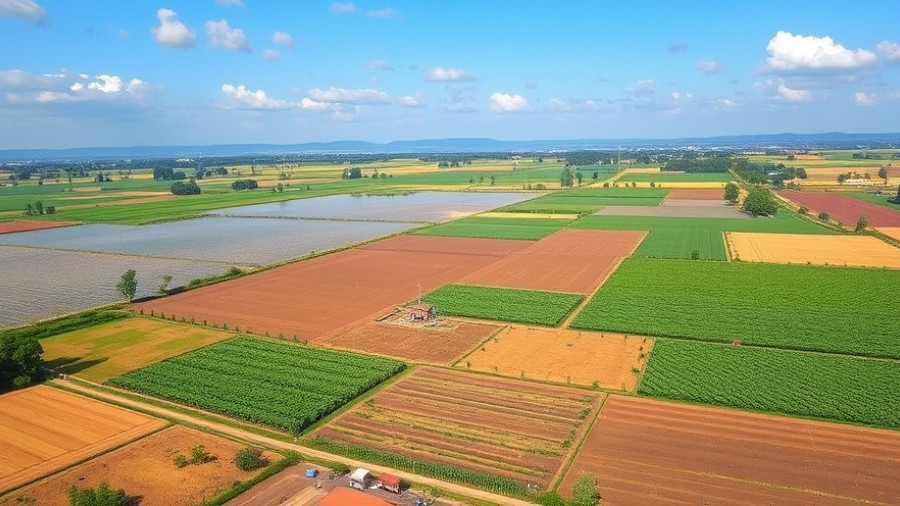
Climate variability is directly affecting agriculture the backbone of East Africa’s economy. Changing rainfall patterns, prolonged droughts, and floods are pushing governments and communities to rethink food security strategies.
Sustainable agriculture, climate-smart technologies, and regional cooperation will be key to long-term resilience.
What This Crossroads Means for East Africa
East Africa’s future will be defined by coordination, accountability, and innovation. The region has the population, resources, and strategic location to thrive but only if leadership decisions align with long-term regional interests rather than short-term political gains.
This moment demands clarity, courage, and collaboration.
Why Follow East Africa Frontier News
East Africa Frontier News | East Africa Frontline Media Directory exists to go beyond headlines offering context, verification, and forward-looking analysis from the frontline of regional change.
Stay informed. Stay ahead. Stay connected to East Africa’s future.


Write A Comment